Impact is a powerful and highly configurable affiliate marketing software built to support complex partnership models. For many SaaS companies, however, that level of sophistication may come with higher costs—both in pricing and in the time required to onboard, manage workflows, and maintain the program as it scales. In practice, this can mean paying for advanced capabilities that many SaaS affiliate programs don’t fully use.
So let’s look at some truly affordable Impact alternatives for affiliate marketing program management, including Rewardful. We’ll break down their core features, pros and cons, and pricing, to help you evaluate which Impact alternative best fits your affiliate program needs and budget.
What Are the Pros, Cons, and Pricing of Impact?

Impact positions itself as an all-in-one platform for managing multiple partnership models, including affiliate marketing, customer referrals, and creator or influencer partnerships. It’s designed for companies that want a single system to recruit partners, manage relationships, track performance, and optimize programs at scale.
Pros of Impact
- Broad partnership coverage, which can be useful for teams running complex or blended programs.
- Partner marketplace makes it easier to discover and recruit potential affiliates and creators.
- Built-in fraud detection helps identify and block suspicious or invalid activity within partnership programs.
Cons of Impact (Based on G2 Reviews)
- Several users note that learning the platform can be challenging at first due to its breadth of features (source).
- Common feedback highlights that some workflows require multiple steps and aren’t always intuitive, which can slow down onboarding and day-to-day use (source).
Pricing of Impact
According to Impact’s pricing information:
- From ~$30/month + 2.5-3% performance fee: Limited promo code and link tracking for ecommerce integrations.
- From ~$500/month: Full partnership management features.
Why Impact May Not Be the Right Fit for Your SaaS Affiliate Program
Impact is built to support a wide range of partnership models, but that breadth can add complexity and higher costs for SaaS companies running a focused affiliate program.
Many SaaS teams prioritize fast setup, clear attribution for subscription revenue, and tooling that’s easy to operate without dedicated partnership ops. In these cases, SaaS-first affiliate platforms can be a more practical and affordable alternative, offering simpler workflows, predictable pricing, and native integrations with recurring billing systems like Stripe.
5 Affordable Impact Alternatives for Affiliate Program Management
1. Rewardful: Affordable Affiliate Software Built for SaaS

Unlike Impact, Rewardful is designed specifically for SaaS companies running affiliate programs. With its deep integration with Stripe, affiliate-generated subscription revenue is tracked automatically, and affiliate commissions are adjusted in response to cancellations, refunds, or plan downgrades without manual intervention.
Rewardful’s affiliate management system is focused and easy to use, with clean workflows and a high degree of automation. For SaaS teams (solopreneurs and marketing managers) that don’t require complex partnership models, this focus translates into simpler operations and more predictable costs—making Rewardful a practical and affordable alternative to Impact.
Core features of Rewardful
- Two-way Stripe integration
- Streamline tax forms, invoices, and affiliate payments with Managed Payouts
- Customizable affiliate commission logic
- Affiliate link and coupon-based tracking
- Built-in self-referral fraud detection
Pros of Rewardful
- Affiliate coupon code feature for promoting on videos, images, and podcasts
- Transparent and affordable pricing with 0% transaction fees
- Self-served affiliate dashboard
- Unlimited campaigns and team members
Podia’s Success Story with Rewardful
Podia initially ran its affiliate program on Impact but found the platform’s pricing difficult to justify. Many advanced features went unused, yet still added cost and management overhead.
After switching to Rewardful, Podia lowered tooling costs and simplified day-to-day operations through native Stripe integration and automated commission handling. Within five months, the team doubled its affiliate revenue. Read Podia’s journey with Rewardful to learn more.
Pricing of Rewardful
Rewardful’s pricing is affiliate revenue based. See more pricing details.
- Starter $49/month – Up to $7,500/mo from affiliates
- Growth $99/month – Up to $15,000/mo from affiliates
- Enterprise $149+/month – Up to $15,000/mo from affiliates
What A User Says About Rewardful - A G2 Review

Try Rewardful yourself and see how it compares with Impact!
2. Everflow
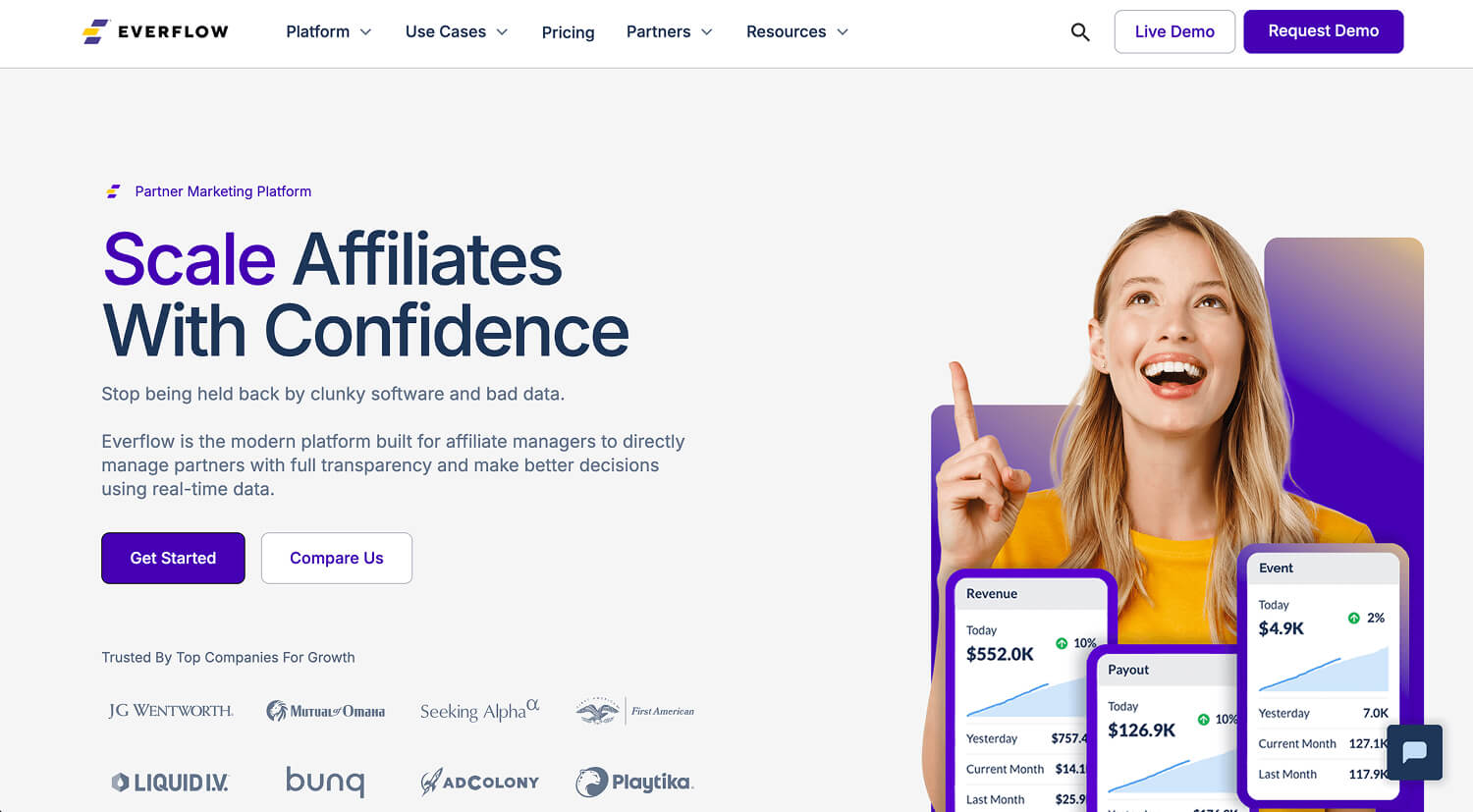
Everflow is often positioned as a more modern, flexible alternative to enterprise affiliate management platforms like Impact. It offers strong tracking and reporting, and for some teams, it looks like a more accessible option upfront.
Core features of Everflow
- Advanced tracking and attribution
- Flexible campaign and partner structures
- Detailed analytics and reporting
- Support for multiple partner types
Pros of Everflow
- Powerful tracking
- Flexible setup options
- No affiliate network fees
Cons of Everflow
- No clear pricing
- Not subscription-native
- Recurring commissions require configuration
- Stripe isn’t the core integration
- More ongoing maintenance for SaaS teams
Pricing of Everflow
Everflow’s pricing is higher than entry-level tools and typically increases with volume and feature access, but you'll have to request a personalized quote, which makes it harder to know how pricing might evolve as your program grows.
3. Refersion
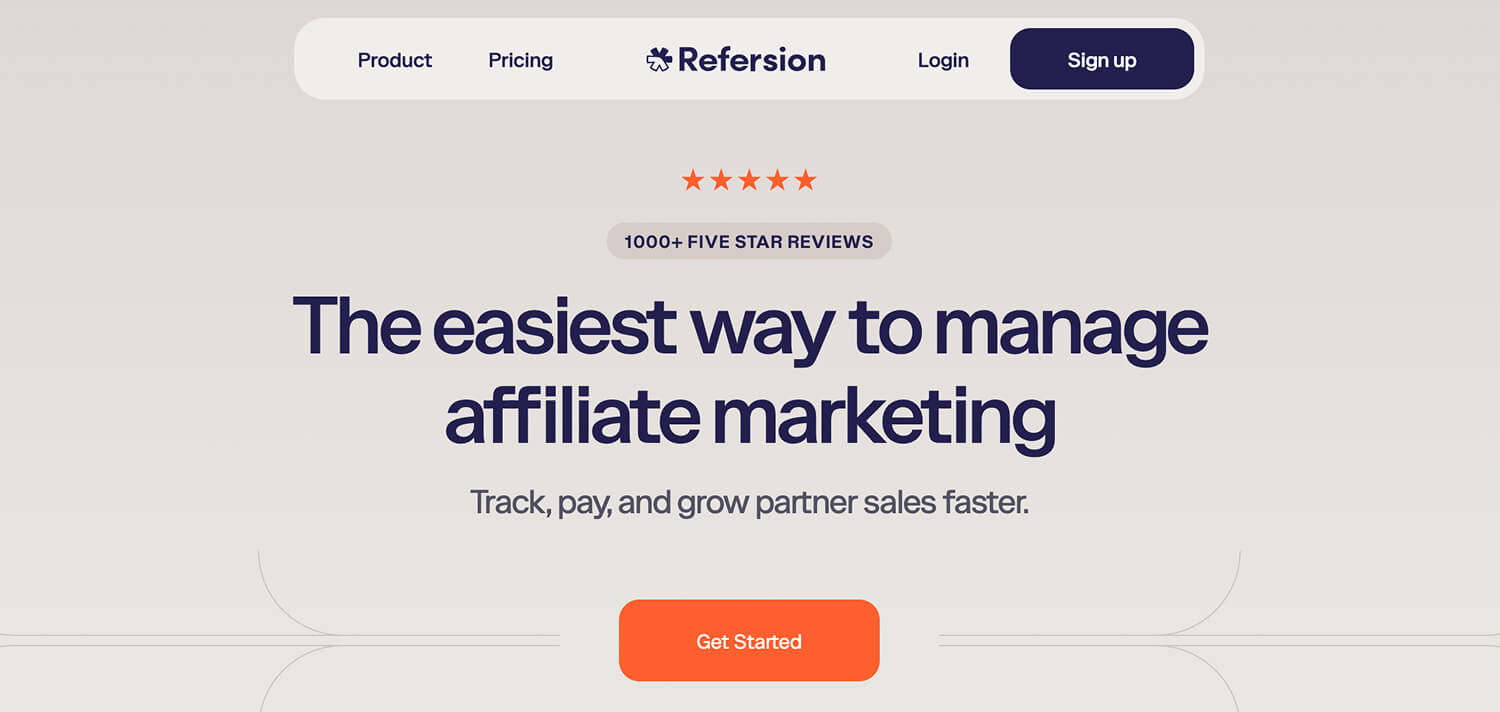
Refersion is often considered because it positions itself as an affordable and relatively straightforward affiliate marketing solution. For ecommerce businesses, this positioning generally aligns well with how affiliate programs are run—focused on one-time purchases and order-based commissions.
For SaaS companies, however, the fit can be more mixed. While Refersion covers core affiliate tracking needs, its feature set and attribution model are primarily built around transactional ecommerce use cases, which may require additional workarounds for SaaS subscription-based revenue, recurring commissions, or lifecycle events like cancellations and downgrades.
Core Features of Refersion
- Affiliate link and coupon tracking
- Simple onboarding
- Ecommerce-focused integrations
- Basic reporting
Pros of Refersion
- Easy to get started
- Clear pricing
- Familiar workflows
Cons of Refersion
- Built primarily for ecommerce
- Limited subscription support
- Manual handling of churn and refunds
- Reporting focused on transactions, not recurring revenue
Pricing of Refersion
Lower entry tiers make Refersion accessible early on, but there's a percentage catch:.
- Launch: $39/month for + 3 % of affiliate-driven sales
- Growth: $129/month for + 2 % of affiliate-driven sales
- Scale: starts at $599/month for + 1 % of affiliate-driven sales
Read more: Rewardful vs. Refersion: Which Affiliate Software is Best for Your SaaS Business?
4. LeadDyno
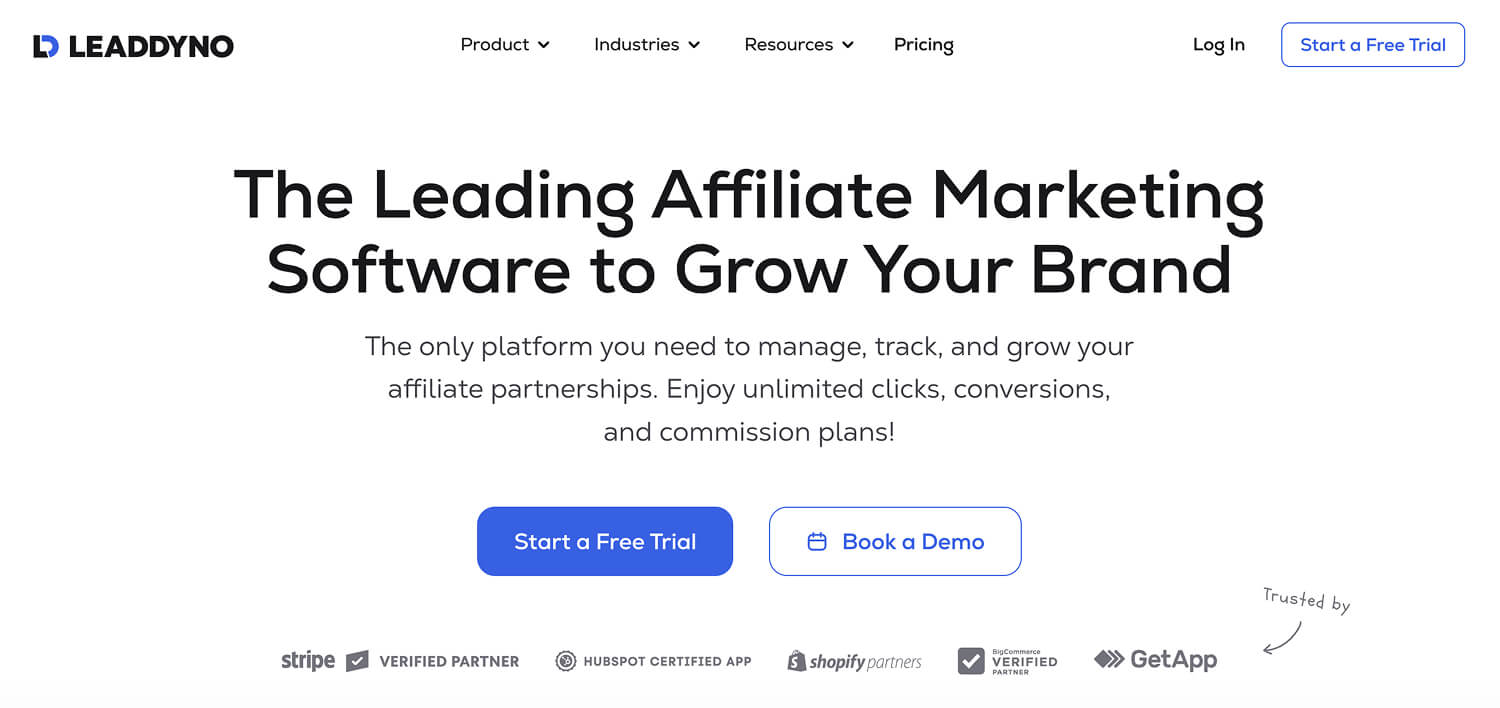
LeadDyno is commonly used by smaller teams with straightforward program requirements. It offers a simple setup process and a basic interface for managing affiliates.
For SaaS companies, its feature set primarily supports fundamental affiliate tracking. Teams managing subscription-based revenue models may need to rely on additional manual processes for recurring commissions, lifecycle changes, and more detailed reporting as programs grow.
Core Features of LeadDyno
- Basic affiliate tracking
- Simple dashboards
- Easy affiliate setup
Pros of LeadDyno
- Clear and low starting price
- Minimal setup
- Easy to understand
Cons of LeadDyno
- Limited automation
- Weak subscription handling
- Basic reporting
- Scaling increases manual work
Pricing of LeadDyno
LeadDyno's got one of the cheaper entry points among Impact alternatives.
- Lite starts at $49 a month for up to 50 affiliates
- Essential allows up to 150 affiliates for $110/month
- Advanced goes up to 500 affiliates for $297 a month, billed onceyearly
- Unlimited costs $637 a month, billed once yearly
5. CJ
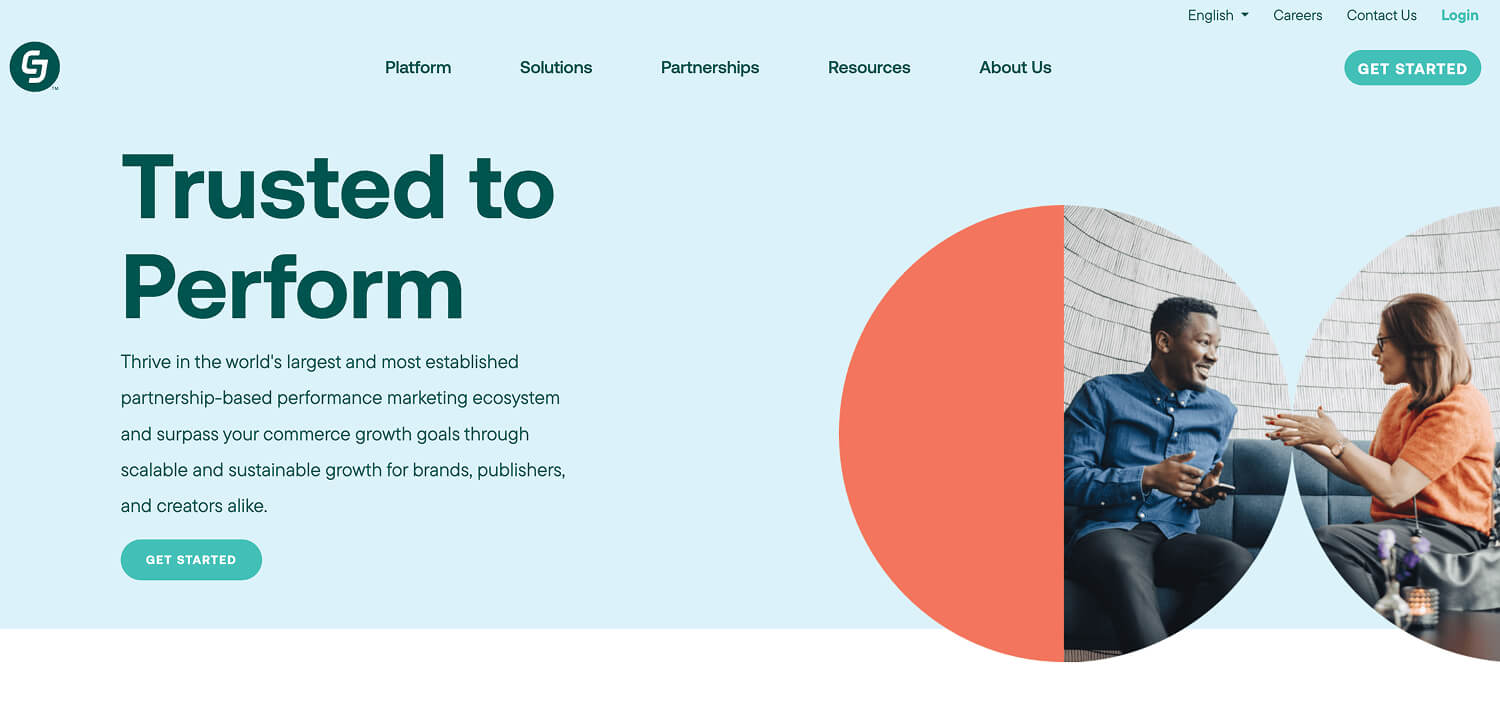
Some SaaS companies also evaluate established affiliate networks like CJ (formerly Commission Junction) as a way to tap into a broad partner ecosystem and enterprise-grade infrastructure.
CJ is one of the longest-standing affiliate networks, with a large base of publishers, robust tracking, and options for managed workflows. However, its structure and pricing have historically been tailored more toward ecommerce and performance-based advertising than subscription-first SaaS models.
Core features of CJ
- Large affiliate networks
- Managed workflows
- Established tracking infrastructure
Pros of CJ
- Built-in affiliate discovery
- Mature infrastructure
Cons of CJ
- Pricing models not designed for SaaS
- Limited subscription-native support
- Less control over attribution
- High long-term costs relative to value
Pricing of CJ
CJ’s pricing structure is not publicly disclosed. You’ll need to contact the team for a quote.
What Makes Affiliate Marketing Software Affordable
You’ve seen several more cost-effective alternatives to Impact for affiliate program management. Before choosing a tool, it’s helpful to clarify what “affordable” really means when adopting affiliate software and operating a program over time.
Beyond the monthly price, this often includes setup effort, ongoing management time, automation capabilities, and how well the software fits your revenue model as the program scales. The following can help you decide whether an affiliate management tool is truly affordable.
1. Is the Affiliate Tool Pricing Structure Clear and Public?
Some affiliate tools promote a low starting price, then introduce additional costs once the program is live. This may include:
- Tier upgrades triggered by unclear thresholds
- Extra fees for additional affiliates or partners
- Limits on tracking links or conversions
- Core features only available through custom or enterprise plans
Truly affordable affiliate software makes it easy to understand:
- What you pay today
- What causes pricing to change
- What’s included at each tier
If future costs aren’t visible without a sales conversation, that adds friction—especially when you need to scale up or adjust plans over time.
2. What Does Pricing Actually Scale With?
Growth is the goal of any affiliate program, and pricing should scale in a way that aligns with how the program operates.
For many SaaS affiliate programs, pricing that scales with factors like the number of active affiliates, tracked conversions, or overall program usage is generally predictable and manageable.
In contrast, pricing models that scale with total company revenue, access to basic automation, or features locked behind enterprise plans can make an initially affordable tool significantly more expensive over time.
3. Are There Additional or Indirect Costs?
This is where some “affordable” tools can become costly in practice. It’s worth reviewing whether the platform:
- Charges performance or network fees on top of subscriptions
- Offers essential functionality as paid add-ons
- Requires ongoing manual reconciliation due to limited automation
Indirect costs—such as extra time spent managing commissions or correcting attribution—can add up quickly and impact the true cost of running the program.
4. Will the Tool Remain Practical as the Program Grows?
Affordability at launch doesn’t always translate to affordability at scale. When evaluating a tool, consider:
- Whether it still makes sense once affiliates drive meaningful revenue
- If you’re likely to outgrow the platform within a year
- Whether pricing increases remain proportional as volume grows
Switching affiliate software mid-growth can be expensive, both financially and operationally, making long-term fit an important part of affordability.
Rewardful Is the Best, Affordable Alternative to Impact
We're big fans of try before buying—so we want you to see what it feels like to manage your SaaS affiliate program with Rewardful.
Try Rewardful for free for 14 days, without any commitments. Get started today!
FAQs: Impact alternatives and affordable affiliate software
What Is the Best Affordable Impact Alternative for SaaS Companies?
For SaaS businesses, Rewardful is one of the most affordable and practical Impact alternatives. It combines subscription-native tracking with transparent pricing and low operational overhead.
You can also read how teams move beyond spreadsheets in this guide to scaling affiliate programs.
Why Should a SaaS Company Choose Rewardful Over Impact?
If your SaaS runs with Stripe, is looking for affiliate software that streamlines tax, invoices, and affiliate payments, and doesn’t want to be burdened with manual refund handling, Rewardful is for you. Take Podia, for instance. After switching to Rewardful, they doubled their affiliate revenue in just 5 months! Read Podia’s success story with Rewardful to learn more.
Are Cheaper Affiliate Tools Risky for SaaS?
They can be. Many affordable affiliate solutions don’t handle recurring revenue properly, which leads to manual work and errors. Long-term affordability depends on automation, not just price.
Why Do Many SaaS Teams Move Away From Enterprise Affiliate Platforms?
Many SaaS teams move away from enterprise affiliate platforms because they often pay for features they don’t need while still having to work around SaaS subscription logic. This is discussed further in our comparison of referral and affiliate marketing.
Can Affiliate Marketing Work Without Enterprise Software?
Absolutely. Most SaaS affiliate programs don’t need sassy enterprise tooling. They need reliable tracking, accurate commissions, and predictable costs.